Fire Safety in Healthcare Facilities
Square Mile Fire and Security
For over 20 years, Square Mile Fire & Security have been providing a professional fire and security service across London and it's central boroughs.
FIRE SUPPRESSION CITY OF LONDON
Fire Safety in Healthcare Facilities
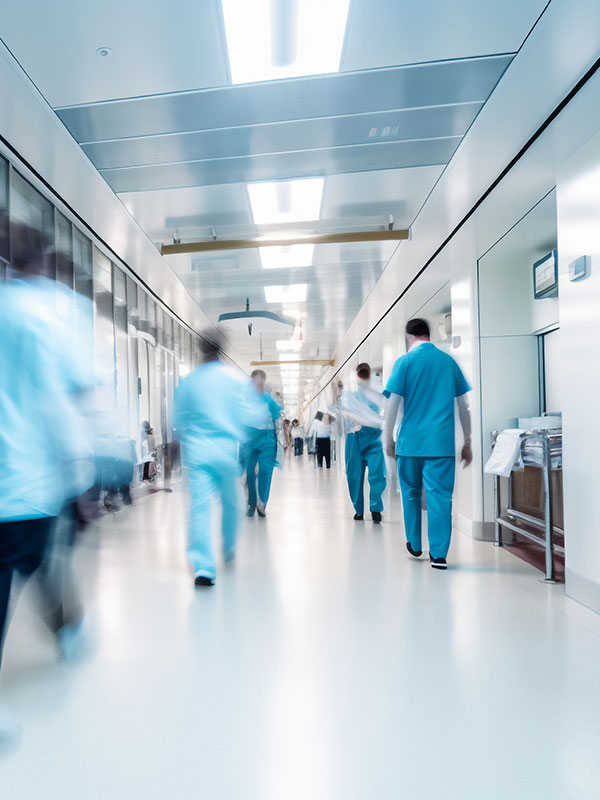
The importance of fire safety in hospitals and other healthcare facilities is paramount, due to the amount of vulnerable people and patients with mobility issues, processes like evacuation can be difficult and a much slower compared to other facilities.
Effective fire safety standards and regulations are crucial in ensuring staff and patients are prepared in the event of a fire. Let's take a look at the challenges these facilities face and fire suppression methods best suited to the healthcare industry.

FIRE SUPPRESSION CITY OF LONDON
Common Fire Safety Hazards
Fires are typically quite rare in healthcare environments, but when they do occur, they are highly dangerous. Knowing what the hazards are is the first step to reducing the risk.
Medical & Electrical Equipment
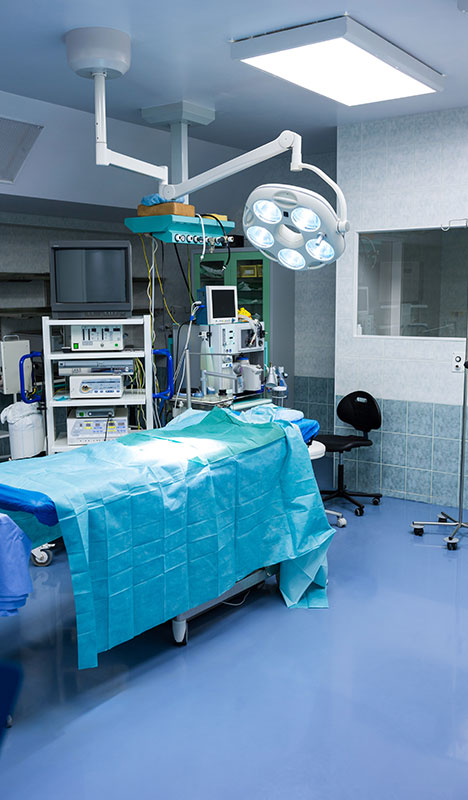
Specialised medical and surgical equipment, such as laser and electrosurgical tools, pose significant ignition risks, while compressed oxygen tanks, surgical attire, and flammable sterilising or disinfecting liquids, act as fuel sources. Additionally, the widespread presence of electrical equipment raises the risk of fire from faulty or overloaded sockets and cables.
Kitchen Facilities
Kitchens are a big fire safety risk, especially in care homes, where round-the-clock care is provided. Hazards include cooking fats, electrical appliances like ovens and toasters and open flames.
Smoking
Even with more than two-thirds of NHS hospitals enforcing a complete ban on smoking, the risk of fire from smoking persists. Unextinguished cigarette butts can ignite ashtrays and potentially cause fires that can spread quickly if not swiftly managed.
FIRE SUPPRESSION CITY OF LONDON
Fire Protection for Healthcare
Whilst there are many things that can be done to reduce the risk of fires in healthcare facilities, here are a few of the key fireproofing techniques to help maintain effective control over potential fires:
Fire Doors
Fire doors are essential for evacuation and containment. NHS regulations require a minimum of 30 minutes of fire resistance, possibly longer in slower evacuation areas. They can be made from materials like timber, aluminium, or steel, and may include windows if they meet fire protection standards. These doors must be clearly labelled, self-closing, and fitted with cold smoke seals.
Fire Compartmentation
Fire compartmentation in hospitals prevents fire from spreading between rooms through fire-resistant walls and floors. To maintain this, gaps between doors, walls, and ceilings must be sealed with fire-resistant materials, a process known as fire stopping. This helps contain flames and block smoke from spreading.
Fire Suppression System
A high-pressure sprinkler system can greatly diminish the impact of a fire while using relatively little water. These systems are highly effective, significantly reducing injuries and property damage. By dispersing a fine mist, they control flames efficiently and limit the spread of smoke and heat, enhancing overall safety and minimising damage.
Fire Alarms
Fire alarms in healthcare facilities are essential for early fire detection and response. They provide prompt alerts, significantly reducing injuries and property damage. Effective systems help ensure quick evacuation and intervention.
FIRE SUPPRESSION CITY OF LONDON
Responding to Fires in Healthcare Facilities
If a fire breaks out in your facility, it's important for staff to follow established procedures to ensure a safe and efficient response.
Develop an action plan based on the RACE protocol—Rescue, Alarm, Confine, and Extinguish/Evacuate:
- Rescue: Assist those in immediate danger if you can do so safely.
- Alarm: Trigger the fire alarm to alert firefighters and initiate evacuation.
- Confine: Close windows and doors to limit the fire's spread and reduce oxygen.
- Extinguish/Evacuate: Attempt to put out small fires if safe; otherwise, evacuate to allow professionals to handle the situation.
Ensure that a designated safety officer is responsible for regular inspections and safety training, including the locations and operation of fire alarms and gas shutoff valves, as well as fire evacuation procedures and routes.
Train staff in using fire extinguishers with the PASS method: Pull the pin, Aim at the base of the fire, Squeeze the handle, and Sweep the agent across the flames. Regular training ensures a quick and safe response.
FIRE SUPPRESSION CITY OF LONDON
Healthcare Fire Safety | Square Mile Fire & Security
Fire safety in hospitals is crucial, so regular training for all staff is essential. This ensures everyone is prepared and has the knowledge to respond effectively in case of a fire.
To comply with fire safety regulations, hospitals must conduct regular fire risk assessments (FRAs) with an independent assessor. This review evaluates current fireproofing measures, identifies potential risks, and provides a detailed report on necessary improvements to meet regulations.
At Square Mile, we can install, service and maintain your fire alarms, extinguishers and fire suppression systems in Greater London.
Read more about our fire services and talk to our team about protecting your home/business today.

Head Office
Level 30 The Leadenhall Building, 122 Leadenhall Street, London, EC3V 4AB
Essex Office
Unit HM10, Hayley’s Manor, Upland Road, Epping Upland, Essex, CM16 6PQ

Square Mile Fire and Security is a trading name of Square Mile Fire Protection Ltd
Our Services
Useful Links
Contact Us
Submit your enquiry
If you have a question, please don't hesitate to ask our team: 020 71 247 247
What happens next?
Once our team has received your enquiry, we will begin to put together a plan of the best ways we can protect your property and meet you individual requirements.
Got a question?
We're always here to help and are happy to answer any questions you may have.
Call us on 020 71 247 247